
Follow the transitions between open water, riverbanks and dense vegetation to understand where to direct your birdwatching attention.
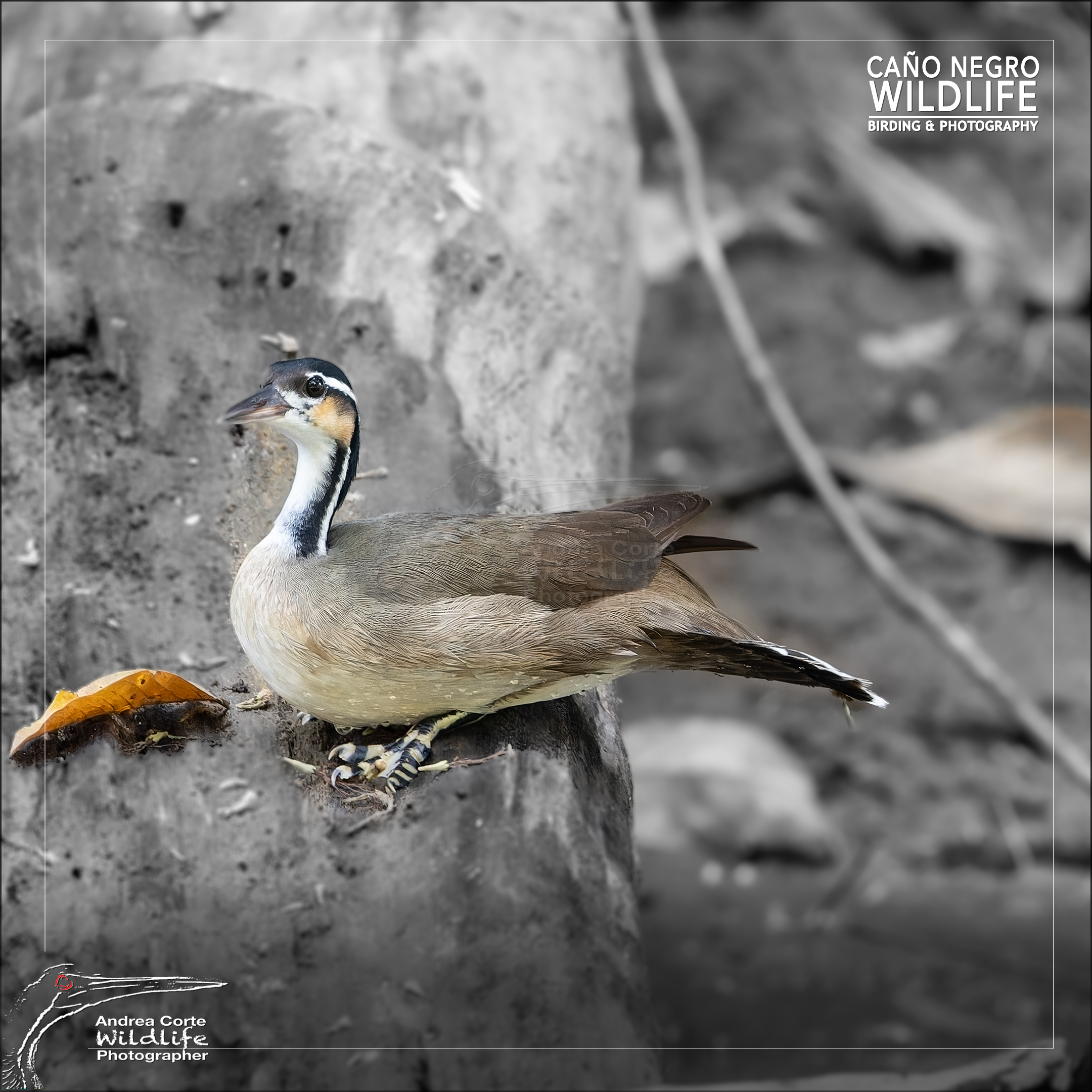
Birdwatching in Caño Negro, Costa Rica takes you through lagoons, river channels, marsh vegetation, grasslands and forest edges. Each habitat calls for a different way of looking. Open water invites a broad scan, while vegetation and shaded banks reward slower attention. Understanding these differences helps you organise a search around the birds you hope to find.
Lagoons, Marshes and Forest Edges: Bird Habitats in Caño Negro, Costa Rica
Lagoons and changing margins
The lagoon offers open views, but its margins deserve attention too. As water levels rise and fall, the relationship between open water, shallow areas and vegetation changes. Birds respond by using different places to feed, rest and move.
Herons, storks, spoonbills and other waterbirds are among the groups associated with these environments in Hotel de Campo’s guide to Caño Negro birding habitats. Watch where activity is taking place during your outing, allowing the conditions to guide your attention.
Riverbanks and vegetated channels
Río Frío forms part of the Caño Negro wetland system. Its banks, overhanging branches and adjoining vegetation create a different setting from the open lagoon. Kingfishers, herons and wetland raptors give birdwatchers reasons to scan both the waterline and the perches above it.
A target such as Sungrebe can give suitable waterways and vegetation a particular place in your plans. Share that interest before the outing so recent observations and current conditions can inform where you look.
Marshes and floating vegetation
Dense aquatic vegetation can conceal birds that are much less conspicuous than those standing in the open. Rails, crakes and bitterns are among the birds that make these habitats interesting to a focused birdwatcher.
Give quiet-looking vegetation time. A brief movement may draw your attention to a bird that was difficult to notice at first. Suitable habitat creates a reason to search, while the opportunity to see a particular species remains uncertain.
Grasslands and forest edges
Floodplains, grasslands and wooded edges add further variety. Look along vegetation boundaries, scan exposed perches and keep an eye on the sky. These transitions broaden the experience beyond the birds using open water.
Choose a few priorities from the birds highlighted for Caño Negro, then discuss which habitats are relevant to your visit. A varied outing can also leave room to enjoy whatever appears along the route.
Make space to explore the habitat variety
Plan at least one night in Caño Negro. Adjust your route so you can settle in and organise confirmed excursions around early morning and late afternoon. Being at the destination gives those observation hours their place in your trip.
Tell Hotel de Campo which birds or habitats interest you when choosing your programme. That conversation helps match your field time to your purpose and gives the wetland’s changing conditions a role in the plan.