
Let your birding interests guide the dates, then consider water conditions, seasonal movements and recent observations.
The best time to visit Caño Negro, Costa Rica for birdwatching depends on the birds and experiences that matter to you. Excursions operate throughout the year, adapting to conditions. Water levels, vegetation and seasonal bird movements change the opportunities, so your priorities give the calendar a useful starting point.
When to Visit Caño Negro, Costa Rica for Birds: Start with Your Interests
Choose your priorities before choosing dates
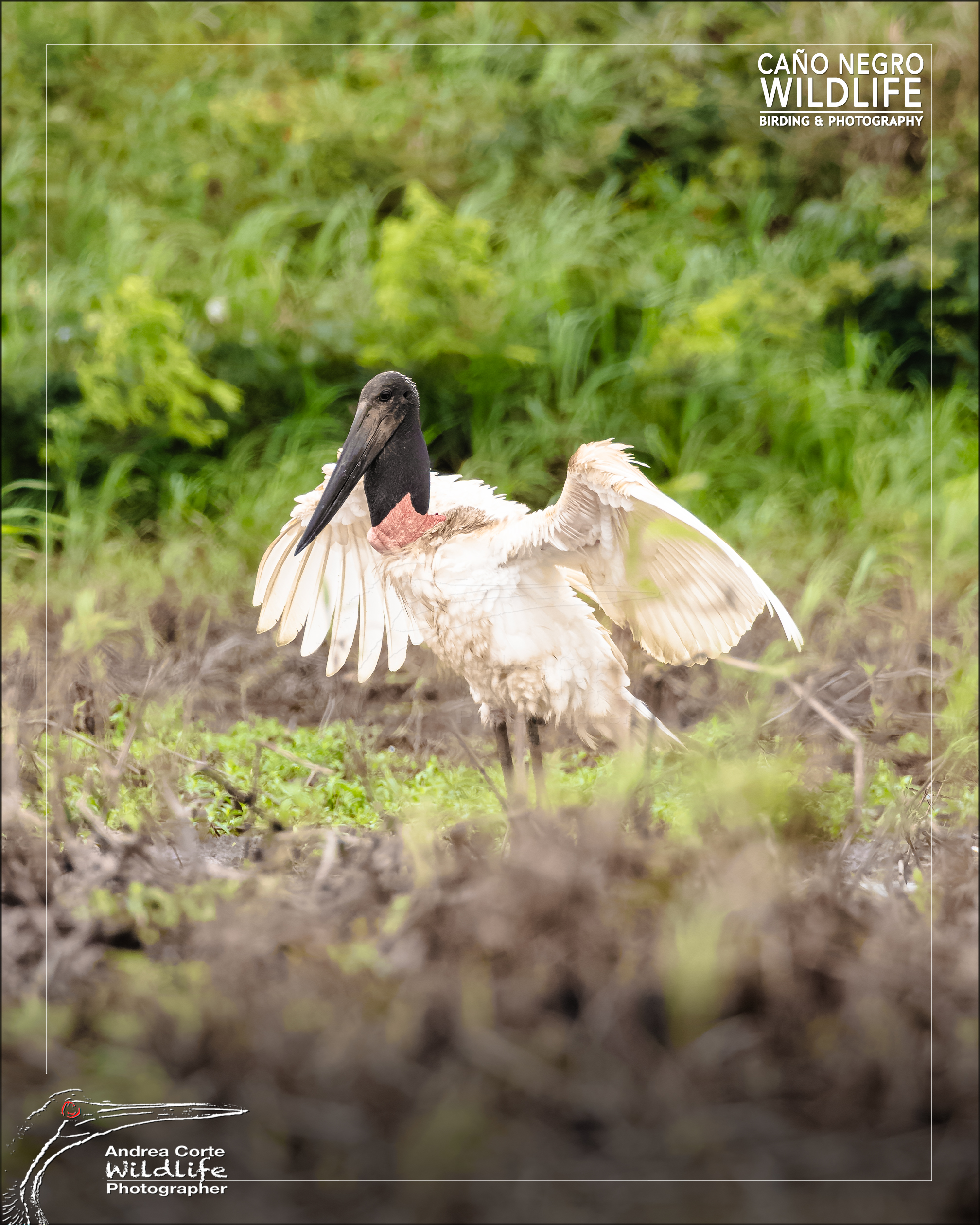
A broad introduction to wetland birds and a search for one particular species need different planning. Begin with a short list of what you hope to see or do. Perhaps Jabiru is a priority, you want to search for Agami Heron, or you would enjoy spending time watching waterbirds feed.
Clarify whether your aim is to identify a bird, observe its behaviour or photograph it. That helps determine how to use field time and which questions to ask about timing. Share those interests when discussing your visit with Hotel de Campo’s Caño Negro birding team.
Read the water as well as the calendar
As water recedes, shallow areas and remaining aquatic habitats can change where birds gather. When flooded habitat expands, birds have a different landscape available. Vegetation, feeding areas and the routes available for observation change with those conditions.
This is why the same place can offer a different search on a later visit. A seasonal description provides context, while current water conditions help guide the day’s outing. Explore how water levels shape a Caño Negro visit for the wider picture.
Match your expectations to your travel period
Resident birds provide year-round interest, while migratory and regional movements add another layer of change. A bird recorded during one part of the year may require a different expectation several months later.
With flexible dates, use your priorities to investigate a suitable period. With dates already set, look at records relevant to that period and build a realistic list around them. Include other birds and habitats you would enjoy exploring alongside your main targets.
Give the early morning and late afternoon their place
Make room for at least one night in Caño Negro. Adjust your route so you can arrive, settle in and organise birdwatching around early morning and late afternoon. Staying at the destination gives those observation hours a place in your trip.
Confirm the departure times and boat time included in your chosen programme. A longer stay can give you more time at the destination, while additional field sessions depend on the arrangements you book.
Ask about the search before you travel
Bring your dates and priorities together in a few practical questions. When were your target birds last reported? Which habitats are relevant? How do current conditions affect where you could look? How much attention can your chosen outing give that search?
Recent observations help refine the plan. Wildlife remains unpredictable, and a carefully planned visit still leaves room for surprises.
Pingback: How to Use Caño Negro Bird Checklists to Plan Your Visit in Costa Rica – Caño Negro wildlife refuge
Pingback: Caño Negro, Costa Rica, in the Drier Season: How the Wetland Changes – Caño Negro wildlife refuge
Pingback: When to Plan Your Caño Negro Visit Around a Particular Interest in Costa Rica – Caño Negro wildlife refuge