
Receding water reshapes the lagoons, reveals different wetland edges and changes the routes through the refuge.
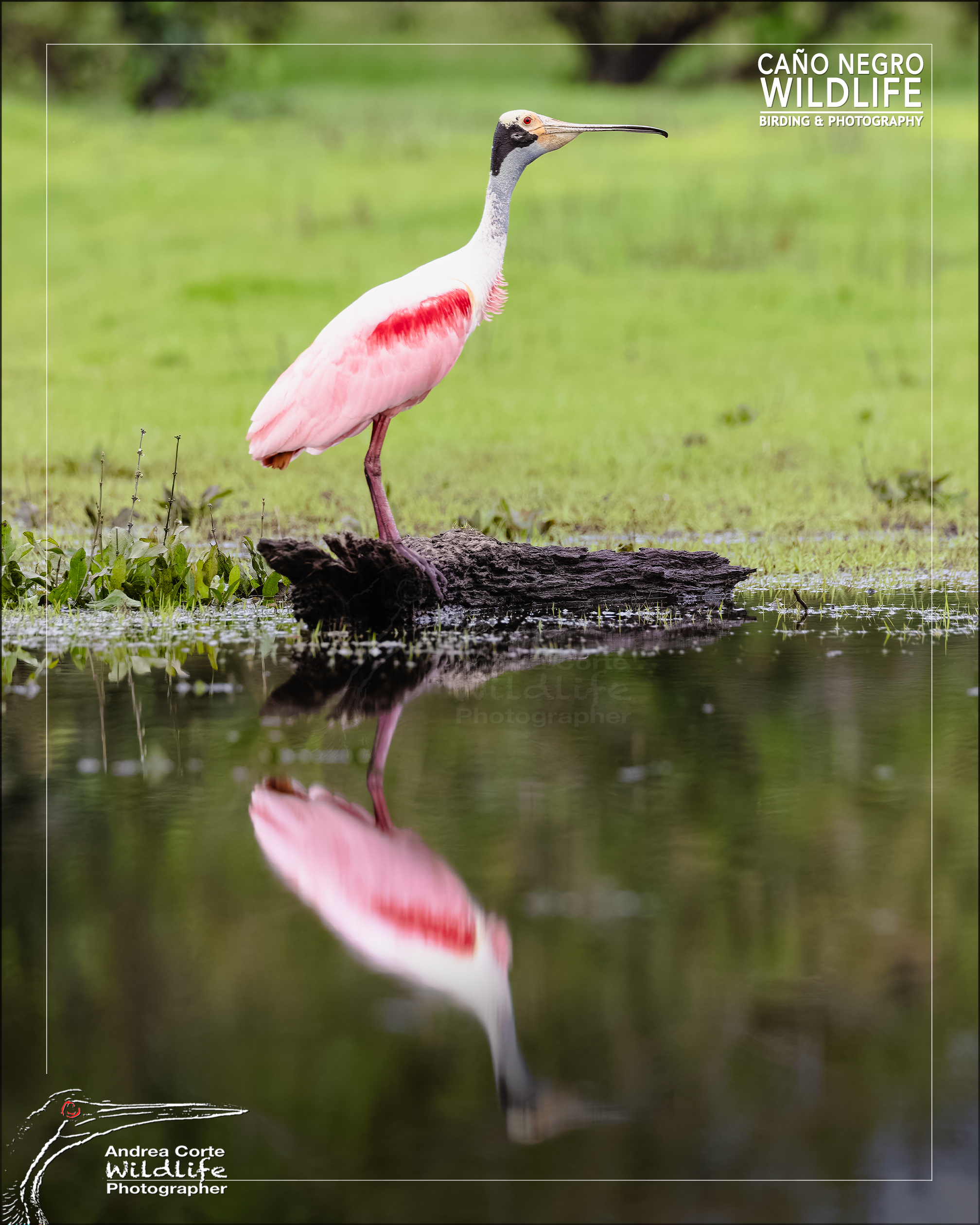
During the drier season in Caño Negro, Costa Rica, falling water reshapes the wetland. Larger areas of open water can separate into smaller lagoons and remaining channels. Wildlife may become more concentrated around those waters, while the boat routes and views change with the landscape.
Caño Negro, Costa Rica, in the Drier Season: How the Wetland Changes
From connected waters to smaller lagoons
Caño Negro belongs to the Río Frío wetland system. As water recedes, connections between lagoons and flooded areas can narrow or disappear. A broad waterscape seen during wetter conditions may become a series of smaller bodies of water bordered by exposed ground and vegetation.
This seasonal fragmentation is described in SINAC’s overview of Caño Negro Wildlife Refuge. How far the water falls varies between years, making current local conditions relevant when planning your visit.
What changes for wildlife observation?
Remaining water can bring some wildlife into a smaller area. Lagoon margins, channels and banks become places to scan carefully as the boat moves through the refuge. Look across the water and into adjoining vegetation, allowing time to notice what is active.
The opportunities depend on the species present, their activity and the habitat being explored. For birdwatchers with particular interests, the guide to choosing when to visit Caño Negro for birds helps connect timing with the purpose of the trip.
A boat route adapted to the water
Lower levels can change which channels are navigable. The route follows the water available during your visit, giving the excursion a different shape as conditions develop. Ask which environments the outing is expected to reach when arranging your boat time.
Hotel de Campo operates its experiences throughout the year, adapting to conditions. Its guide to the refuge and its seasonal changes explains how water influences exploration.
Sunshine and time at the destination
According to Hotel de Campo’s local experience, the transition towards drier conditions generally occurs around December and January. Once the dry season is established, sunny weather is typical. The timing varies, so discuss recent conditions with the hotel when choosing your dates.
Stay at least one night in Caño Negro to enjoy the destination early in the morning and towards the end of the afternoon. Explore Hotel de Campo’s Nature Lovers packages, with accommodation and guided wildlife experiences, and choose the stay that suits your interests. Confirm the included boat time and schedule when booking.
Hotel de Campo’s roofed boats provide shade, while comfortable clothing, drinking water and sun protection help you enjoy the outing.
Pingback: Caño Negro, Costa Rica, in the Rainy Season: A Different Landscape to Discover – Caño Negro wildlife refuge
Pingback: How Water Levels Shape Your Caño Negro Experience in Costa Rica – Caño Negro wildlife refuge