
Higher water reconnects habitats, changes the boat journey and reveals another side of the refuge.
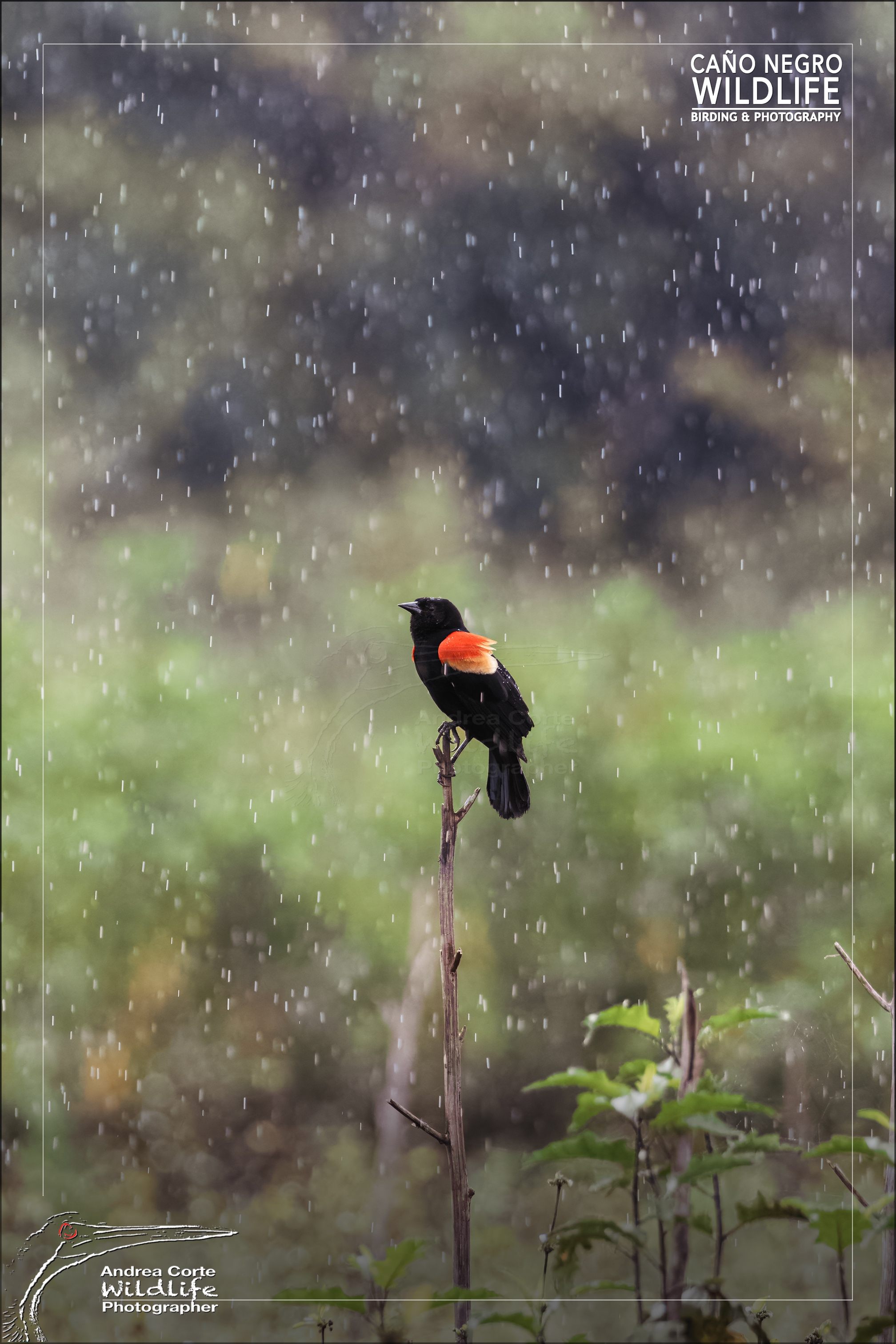
During the rainy season in Caño Negro, Costa Rica, rising water can reconnect lagoons, channels and seasonally flooded areas. The landscape becomes more connected through water, offering different views and possibilities for exploring by boat. Wildlife experiences continue throughout the year, with routes adapted to conditions.
Caño Negro, Costa Rica, in the Rainy Season: A Different Landscape to Discover
When does the rainy season begin?
According to Hotel de Campo’s local experience, occasional showers generally begin in May, with May and early June marking the transition towards wetter conditions. Rain can continue through December, while December and January usually bring the transition towards the dry season.
Expect changing weather and intervals between showers. A day can include rain, cloud and sunshine. These seasonal patterns help with preparation, while recent conditions give a clearer picture of what to expect on your dates. Hotel de Campo’s practical guide to visiting Caño Negro provides further advice.
A more connected wetland
As water rises, it can spread into marshes and seasonally flooded forest, linking places that become separated during drier periods. Open lagoons, vegetation and wooded waterways take on a different relationship.
Some channels and flooded areas become accessible by boat at higher water levels. Which places an excursion reaches depends on the conditions at the time. The seasonal relationship between water and habitat is described in SINAC’s overview of Caño Negro Wildlife Refuge.
Wildlife in a changing landscape
Higher water changes where wildlife can use the wetland. Animals may be distributed through different parts of the available habitat, while weather and activity influence what is visible during an outing.
Look at the surroundings as well as individual sightings. Vegetation beside the water, reflections and the transition between open lagoons and wooded channels are part of the experience. Allow time to observe what is active as you pass, with the understanding that each wildlife encounter develops naturally.
Prepare for comfortable time on the water
Hotel de Campo’s boats are roofed, providing shade and shelter from rain. A lightweight rain layer is useful when wind carries rain beneath the roof. Keep protection for cameras, phones and other belongings within reach. See how to protect equipment from rain and splashes.
Typical wildlife excursions involve little walking, so comfortable footwear is sufficient. Discuss any individual boarding or mobility needs when arranging your visit.
Stay overnight and explore with a private guide
Stay at least one night in Caño Negro to enjoy the surroundings early in the morning and towards the end of the afternoon. Hotel de Campo’s private boat tours give you greater flexibility over pace, stops and observation time around your interests, including birdwatching, wildlife photography or simply spending more time with an encounter.
Explore Hotel de Campo’s packages with accommodation and private guided boat tours. Choose your stay around your interests and confirm the included field time and schedule when booking.