
Discover the open water, vegetated margins and wooded waterways that form the refuge’s changing landscape.
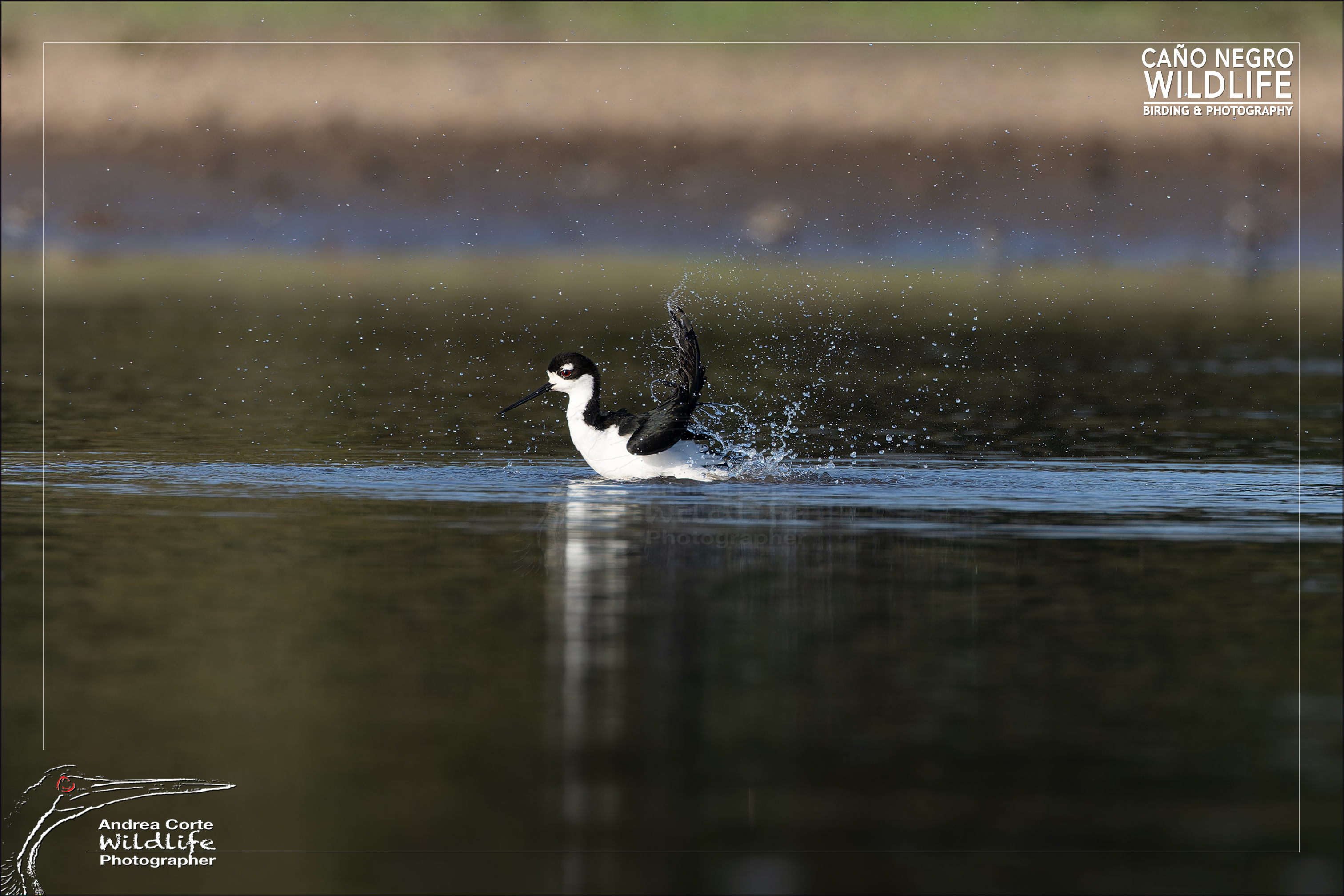
Caño Negro brings together lagoons, channels, riverbanks, marshes and seasonally flooded forests. These environments form a connected wetland in northern Costa Rica, with boundaries that shift as water rises and falls. Exploring by boat lets you appreciate how open water, vegetation and forest fit together.
Lagoons, Channels and Flooded Forests: The Environments of Caño Negro, Costa Rica
Lagoons and open water
The lagoons provide the broad views associated with Caño Negro. Looking across them gives you a sense of the wetland’s openness, while their margins bring water into contact with vegetation and seasonally flooded ground.
The amount of open water changes through the wetland’s cycle. A shoreline visible during one visit may be covered when levels rise. Read about how water levels shape the Caño Negro experience to understand these changing connections.
Channels and riverbanks
Channels connect different parts of the wetland. Following them can bring your attention closer to banks, branches and vegetation beside the boat. The journey shifts from looking across a broad lagoon to observing the details along a waterway.
The Río Frío forms part of the system that sustains the refuge. Its relationship with the lagoon and protected area is explained in how Caño Negro Lagoon, Río Frío and the wildlife refuge connect.
Marshes and seasonally flooded ground
Around the lagoons are marshes and areas where shallow water meets wetland vegetation. Their appearance changes with flooding and receding water, creating transitions between open water and firmer ground.
Notice how vegetation occupies those changing edges. A place that appears as a watery expanse under wetter conditions can look more divided as water recedes. Marshes, flooded grasslands and other aquatic environments are described in SINAC’s overview of the refuge.
Swamp forest and seasonally flooded forest
Wooded habitats add another setting to the journey. The refuge includes swamp forest and forest that floods seasonally, with trees and vegetation surrounding parts of the waterways.
Moving from open lagoon to a wooded channel changes the view and where you direct your attention. Take time to scan the branches, foliage and water beneath them. Which environments your outing reaches depends on current water conditions.
Give yourself time to explore
Stay at least one night in Caño Negro to enjoy the surroundings early in the morning and towards the end of the afternoon. A private outing offers flexibility over pace, stops and observation time around the habitats and wildlife that interest you.
Explore Hotel de Campo’s packages with accommodation and private guided boat tours, and confirm the included field time and schedule when booking.