
Discover a changing wetland through wildlife photography, video and the sounds of nature.
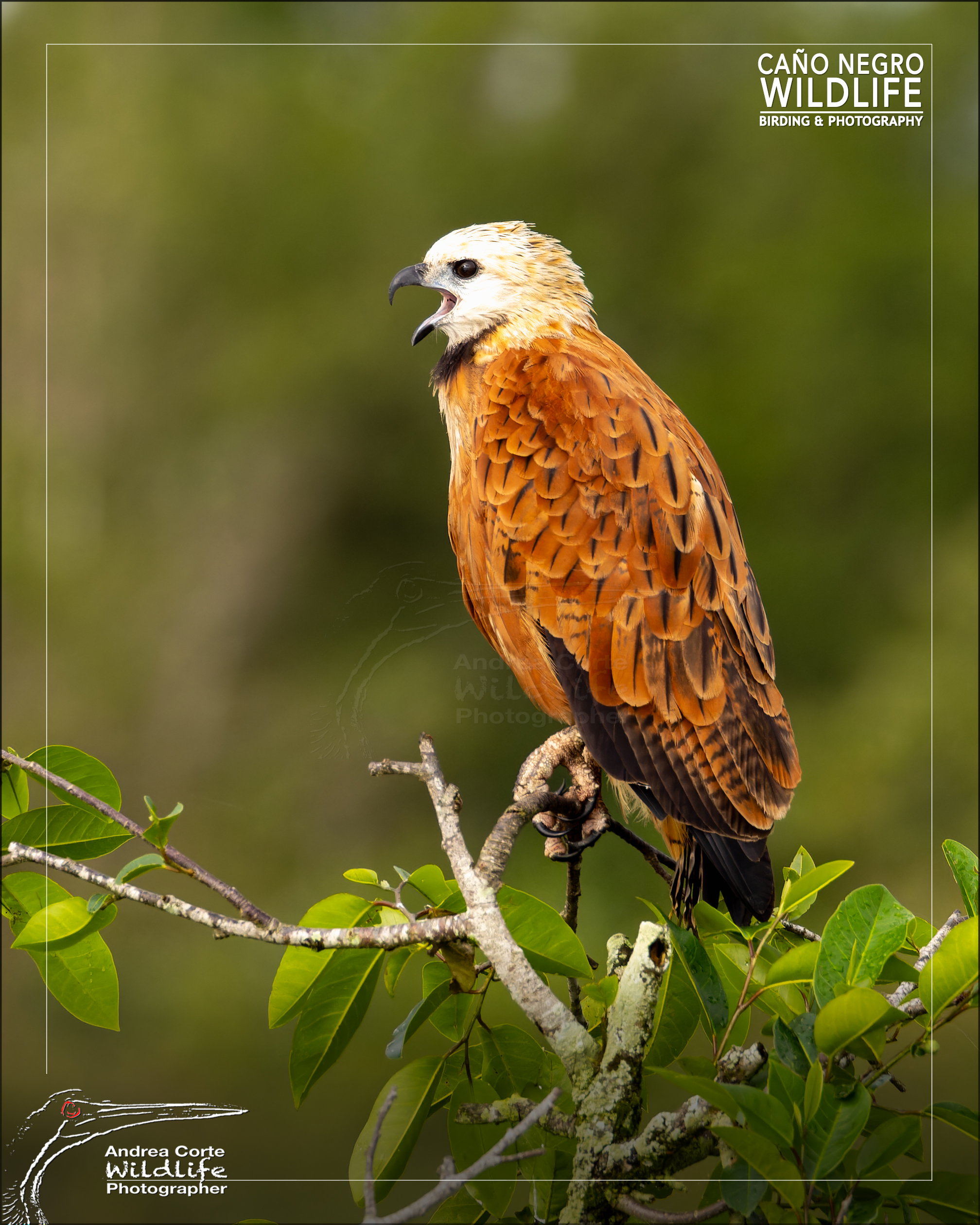
Throughout this series, I use wildlife photography as a broad reference to capturing nature through photographs, video and sound. Still photography is a principal focus, alongside filming wildlife and the more specialised practice of recording natural sounds. Each offers a different way to capture the character of a place. My approach in Caño Negro begins with understanding the wetland, observing its wildlife and recognising what the conditions allow.
Wildlife Photography in Caño Negro Wildlife Refuge, Costa Rica
By Andrea Corte · Wildlife photographer and photography guide
Website · Facebook · Instagram
In these articles, I share the field experience and photographic decisions that shape the way I work and guide photographic outings here.
A wetland in northern Costa Rica
Caño Negro Wildlife Refuge lies in northern Costa Rica, near the Nicaraguan border, within the lower Río Frío basin. Open lagoons, rivers, marshes and wooded areas create different environments for observing and recording wildlife.
Open water offers expansive views and reflections. Along rivers, vegetation and branches become part of the composition. Wooded areas introduce another relationship between the subject, light and background.
When I assess a photographic opportunity, I consider that setting alongside the animal. Understanding the environment helps me decide where to look and how to represent what I encounter.
Much of this wetland is explored from the water. Working from a boat brings its own photographic decisions, which I develop in Photography from a Boat in Caño Negro.
A place for photographers at every stage
Caño Negro offers photographic possibilities for people with different interests and levels of experience. Its wildlife, varied habitats and changing light give newcomers and experienced photographers opportunities to explore what they enjoy.
A newcomer can practise observing animals, finding a subject in the frame and recognising light. An experienced photographer may develop a particular composition, follow behaviour or explore an animal’s relationship with its habitat.
In my experience, the same encounter can offer something different to each person. What brings us together is the pleasure of being outdoors, observing nature and making photographs.
A landscape that changes with the water
Caño Negro changes between wetter and drier periods. Rising and falling water levels reshape the wetland and influence where animals feed, rest and move.
These changes affect photographic opportunities, available viewpoints and the surroundings of each subject. I begin by observing the conditions present during the visit, then consider how to work with them.
Light can change during the same outing
Light changes across seasons, throughout the day and during a single boat outing. Clouds cover or reveal the sun. Moving from an open lagoon towards a wooded riverbank can take us into shade. The boat’s position also changes the direction of light relative to the subject.
A composition imagined moments earlier may look different when we reach the intended position. Keep reading the light as the encounter develops. Notice shadows on the animal and the brightness of the background, then reassess exposure and composition.
Anticipation helps us prepare. Attention to the actual scene helps us decide when and how to capture it.
Free-ranging wildlife and natural encounters
My approach follows animals in their natural surroundings, without feeders, bait or prepared photographic scenes.
Animals choose where to remain and when to move. Sunlight, cloud cover and rain change independently of our plans.
What I can contribute is observation and judgement—choosing a composition, adjusting equipment, coordinating a feasible change of position with the captain or giving an encounter more time. Learning to recognise those choices is central to the photographic experience I share with visitors.
Subjects range from birds to the wider habitat
Birds are an important part of photography in Caño Negro, alongside monkeys, caimans, insects and other wildlife.
A close view reveals appearance and detail. A wider photograph shows the animal’s surroundings. I also consider landscape photographs valuable for establishing the habitat in which an encounter takes place.
Video captures movement, while sound recordings reveal another dimension of the wetland. Together, these approaches help communicate both its inhabitants and the place they live.
I develop these possibilities through wildlife visual storytelling, preparing to record a wildlife video sequence and an introduction to nature sound recording.
Understand the equipment you bring
My advice is to learn your equipment at home, before taking it into the field. Unpacking a new camera on the morning of a wildlife outing leaves you learning controls while photographic opportunities unfold around you.
Become thoroughly familiar with the equipment you intend to use. Practise finding a subject in the viewfinder, acquiring and maintaining focus, changing shutter speed, aperture and ISO, and reviewing the result. For video and sound, learn how to start recording, check focus or audio levels and adjust the relevant controls promptly.
A prepared feeder setting may provide a comfortable seat, a camera mounted on a tripod and a predictable place where birds arrive. Free-ranging wildlife requires us to respond to the animal’s movements and the conditions we encounter.
Whether you are a beginner or an experienced photographer, quick decisions can matter. A turn of the head, a brief interaction or a moment of flight may offer a single opportunity to capture the image you want.
Knowing the controls also helps you understand your equipment’s capabilities and limitations. Practise with moving subjects and different light at home so you arrive with a working understanding of how it performs.
Use field time to apply, test and refine that knowledge. Afterwards, review your photographs and recordings to identify what worked and what needs further practice. Preparation gives you more attention to devote to the subject, the light and the moment.
Observe behaviour and give wildlife space
Knowing the subject helps us anticipate opportunities and recognise when our presence affects it.
Moose Peterson emphasises understanding birds and finding natural feeding areas. Audubon’s ethical guidance places wildlife welfare ahead of photographic ambitions. These principles complement the field approach I describe throughout this series.
Give animals space to continue their activities. If our approach interrupts feeding or causes signs of disturbance, we reassess the position. Patience includes recognising when to withdraw.
Join me for a photographic outing in Caño Negro
Through Hotel de Campo’s birding and photography experiences, I guide specialised photographic tours in Caño Negro Wildlife Refuge. These outings bring the principles in this series into the field.
We consider the subjects encountered, changing light, backgrounds, boat positioning, pace and observation time. I also take into account your photographic interests and your equipment’s capabilities and limitations.
My aim is to help you create the best photographs possible under the conditions of the moment, while respecting wildlife and natural behaviour.
Explore Hotel de Campo’s birding and photography experiences to plan an outing around your interests.
You can also explore my photography at andreacorte.com and follow my work on Facebook and Instagram.
References
The field observations and practical recommendations in this article draw on my experience in Caño Negro. The following sources provide complementary guidance on wildlife photography, light, video, sound recording and the destination.
Pingback: Photography from a Boat in Caño Negro Wildlife Refuge, Costa Rica: Position, Pace and Patience – Caño Negro wildlife refuge
Pingback: What Equipment to Prepare for Wildlife Photography in Caño Negro, Costa Rica – Caño Negro wildlife refuge
Pingback: Morning, Afternoon and Overcast Light: Photographing Caño Negro’s Changing Wetland – Caño Negro wildlife refuge
Pingback: From Portraits to Behaviour: Telling Wildlife Stories in Caño Negro, Costa Rica – Caño Negro wildlife refuge
Pingback: Wildlife Video in Caño Negro, Costa Rica: Preparing to Record a Sequence – Caño Negro wildlife refuge
Pingback: The Sounds of Caño Negro, Costa Rica: An Introduction to Nature Sound Recording – Caño Negro wildlife refuge