
Plan the shot, coordinate the boat and give wildlife behaviour time to unfold.
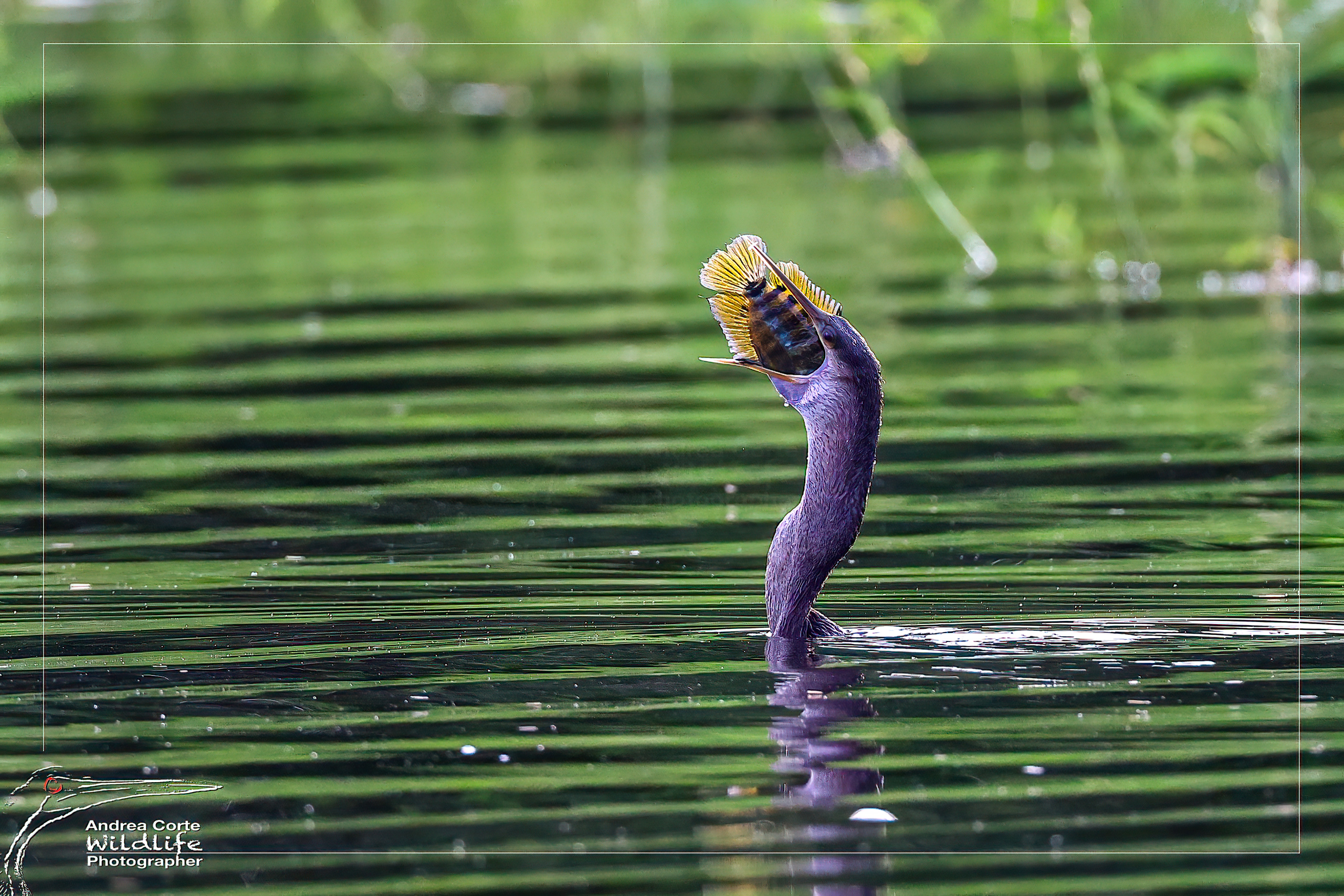
Recording wildlife video means following an encounter through time. Alongside the subject and composition, you need to consider movement, stability, duration and sound. In Caño Negro Wildlife Refuge, where we explore primarily by boat, these requirements influence how we plan and conduct the outing.
Wildlife Video in Caño Negro, Costa Rica: Preparing to Record a Sequence
By Andrea Corte · Wildlife photographer and photography guide
Website · Facebook · Instagram
The foundation remains the approach introduced in Wildlife Photography in Caño Negro Wildlife Refuge. We observe free-ranging animals and work with the conditions and behaviour encountered.
Plan the recording objective before departure
Tell us in advance if video is the main purpose of your visit. A photographic outing may move between positions to capture individual moments. A video sequence can require a sustained position, a carefully coordinated movement or more uninterrupted time with the subject.
Explain what you hope to record. You may want short clips of different animals, a continuous record of behaviour or material that combines wildlife with views of the wetland.
Discuss the equipment you intend to bring and whether natural sound is an important part of the recording. That information helps us plan the approach, positioning and pace.
Learn the video controls at home
Switching from still photography to video introduces a different working process. Practise starting and stopping recording, selecting your recording settings, maintaining focus and adjusting exposure.
Learn how your camera behaves during a continuous shot. Check whether autofocus stays with the intended subject, how stabilisation affects the image and how easily you can make adjustments without introducing abrupt movement.
Prepare batteries and storage for the recording settings you intend to use. The article on equipment preparation for Caño Negro explains why familiarity and a simple working configuration matter in the field.
Begin with a composition that can accommodate movement
Observe what the animal is doing before deciding how tightly to frame it. A close view may reveal detail, while a wider composition can leave room for a change of posture, an opening wing or movement through the habitat.
Give the action room to develop within the frame. If you constantly need to correct the composition, the viewer may find it difficult to follow the behaviour.
Different clips can serve different purposes. A view of the surroundings can establish the setting, while a closer sequence draws attention to the animal and its activity.
Coordinate the boat before recording
The boat becomes part of the recording process. Its direction, pace and changes of position affect the image.
Discuss the intended shot with the guide and captain before starting. Explain whether you want to maintain a position, follow a subject or record a moving view that reveals the animal within its surroundings.
As described in photography from a boat in Caño Negro, controlled movement can offer different viewpoints. For video, the movement itself becomes visible throughout the shot, making coordination especially important.
Hold the shot and follow the behaviour
Allow the viewer time to understand what is happening. Once you have a useful composition, remain attentive and let the behaviour unfold.
Avoid interrupting a promising sequence simply to review the first few seconds. Watch the subject and continue recording while the action remains relevant.
If you want another framing, look for an appropriate moment to make the change or record a separate clip. Preserve the original recordings so you can review the full encounter afterwards.
The article on telling wildlife stories through portraits and behaviour develops how different views can contribute to a story.
Consider natural sound as part of the image
Voices, engine noise, wind, water and equipment handling may all enter the recording. Sounds that are easy to overlook during the outing can become prominent when watching the footage.
If natural audio matters to your project, discuss it during planning. Location, positioning and the way we conduct the recording need to take those requirements into account.
For a more focused approach to calls and soundscapes, read an introduction to nature sound recording in Caño Negro.
Review for information as well as appearance
After the outing, examine focus, stability, framing and sound. Consider whether each clip gives the action enough time and whether it contributes useful information about the animal or its environment.
Keep notes on the date, location and behaviour observed. These details help you organise the material and describe it accurately later.
Arrange an outing around your video priorities
Hotel de Campo’s private outings for birding, photography and recording allow the recording objective to inform the planning. Advance coordination helps the guide and captain understand the time, positioning and working conditions your project requires.
Explore Hotel de Campo’s private birding and photography experiences to discuss your video interests and equipment before arriving.
You can explore my photography at andreacorte.com and follow my work on Facebook and Instagram.
References
The boat-planning guidance reflects the operational approach described for Hotel de Campo’s private experiences. The following sources provide complementary guidance on wildlife recording and camera movement.