
Read the light, understand your equipment and adapt the outing to the opportunities of the day.
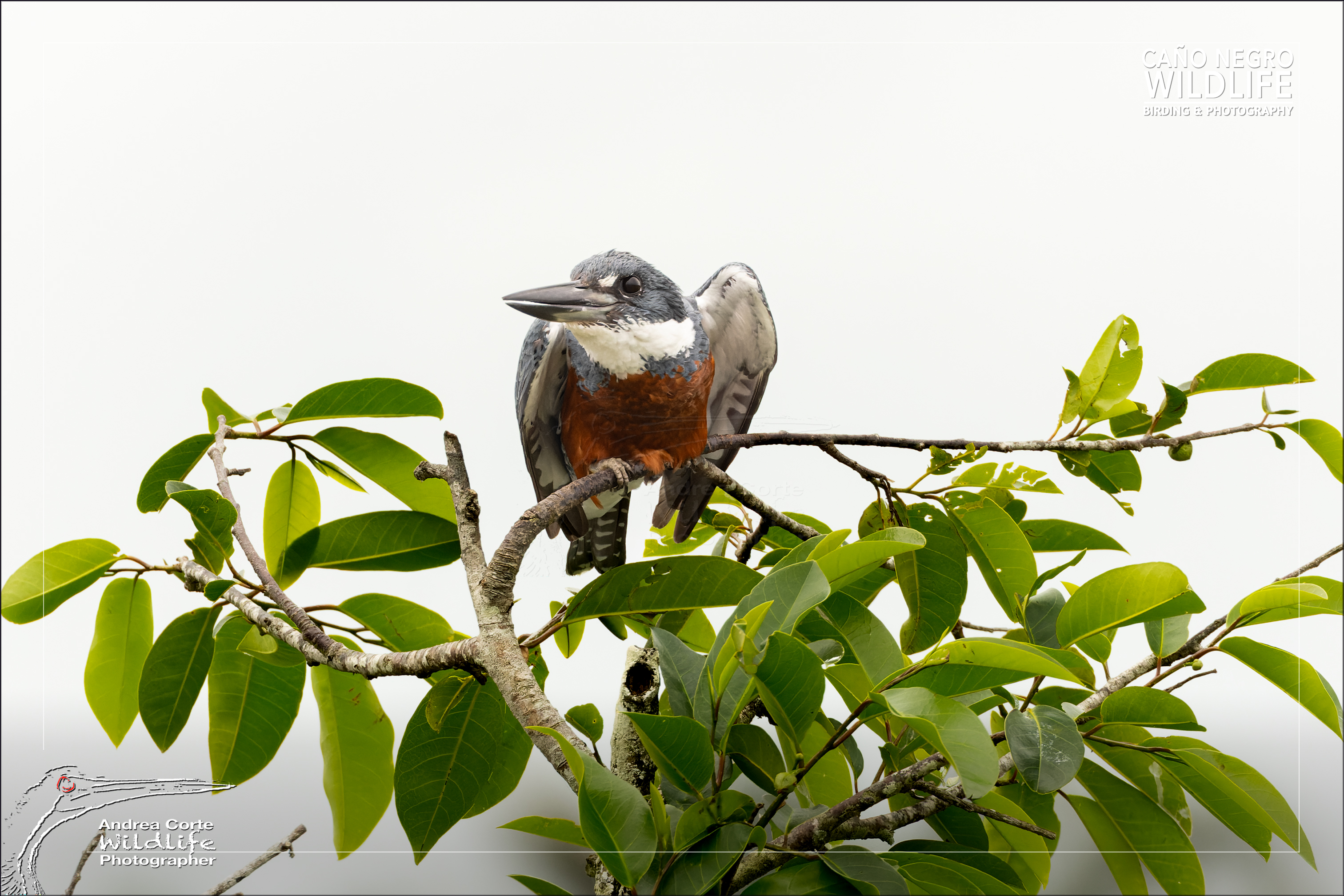
The light you encounter helps determine the photograph you can make. In Caño Negro Wildlife Refuge, open lagoons, wooded waterways, reflections and passing clouds create different conditions throughout an outing. Learning to recognise the direction, intensity and quality of that light helps you choose a position, prepare the camera and respond when the scene changes.
Morning, Afternoon and Overcast Light: Photographing Caño Negro’s Changing Wetland
By Andrea Corte · Wildlife photographer and photography guide
Website · Facebook · Instagram
As introduced in Wildlife Photography in Caño Negro Wildlife Refuge, my approach follows free-ranging animals under the conditions available. Observation and photographic judgement connect the subject, the environment and the image.
Read the light before approaching
When you identify an animal from a distance, observe how it is illuminated. Look for shadows on its body, bright areas in its plumage or fur, and the relationship between its brightness and the background.
This first assessment helps you anticipate an exposure and discuss a useful boat position. Consider whether you want light on the visible side of the animal, illumination from the side or a composition that includes backlighting.
Prepare for the scene you expect, then reassess the scene you reach. The animal may turn, the boat may change direction or a cloud may cover the sun during the approach.
Work with morning and afternoon light
When the sun is low, its light can produce warmer colours, longer shadows and a more pronounced sense of direction. These qualities can bring texture and shape to an animal or create a distinctive atmosphere across the wetland.
The direction of the subject still matters. A bird facing towards the light presents a different photograph from one facing away from it. Water and vegetation can also change in appearance as your viewing angle changes.
Morning and afternoon offer opportunities to explore particular qualities of light. The actual conditions depend on cloud cover, the surroundings and the position of the animal.
Understand front light, side light and backlight
Light coming from behind the photographer can illuminate the visible side of the subject relatively evenly. This may help show colour and detail, depending on the angle of the sun and any shadows cast by the animal’s posture.
Side light creates a stronger distinction between illuminated and shaded areas. It can reveal texture and give the subject a more three-dimensional appearance.
Backlight places the light source behind the animal. It may illuminate the edges of feathers or fur, create a silhouette or introduce bright reflections around the subject.
Choose the effect you want the light to create. A detailed portrait, a silhouette and an animal within a luminous landscape each call for different exposure and composition decisions.
Use the possibilities of overcast light
Cloud cover can diffuse sunlight and soften shadows. This may make subtle detail easier to show across an animal’s body, especially when direct sunlight would create strong differences between bright and shaded areas.
A pale sky can also become a distracting background. Consider whether a change of position would place water or vegetation behind the subject. Alternatively, include the sky when its clouds contribute to the atmosphere of the image.
Overcast conditions can reduce the amount of available light. Check whether your shutter speed remains appropriate for the movement you want to capture and adjust the exposure settings accordingly.
Watch the water as well as the animal
Water is an active part of the composition. Reflections, ripples and bright patches can draw attention towards the subject or compete with it.
Before releasing the shutter, check the whole frame. A reflection may deserve more space beneath an animal. A bright area near the edge may pull attention away from it. A small change in the boat’s position can alter those relationships.
The article on photography from a boat in Caño Negro develops how positioning can help you work with the background and the light together.
Respond when conditions change
During the same outing, you may move from an open lagoon into a shaded waterway. The sun may emerge from behind a cloud while you are following an animal.
Keep the camera familiar and the adjustments accessible. Check exposure when the illumination changes, then return your attention to the subject. Preparation helps you make those adjustments promptly, as discussed in what equipment to prepare for wildlife photography.
Afterwards, compare your results. Look at how the direction of the light affected colour, texture, shadows and the background. Use that review to recognise similar opportunities during your next outing.
Plan the outing around the light and your equipment
Hotel de Campo’s specialised photography outings are private so we can adapt the field time to your photographic priorities and equipment. Working with an individual, a couple or a small group of friends makes it easier to understand those requirements and plan the outing accordingly.
We cannot change the weather, but we can consider where to look for opportunities under the conditions of the day. The equipment you bring helps inform those decisions.
Different lenses create different possibilities in limited light
A lens that opens to f/2.8 gives a photographer more exposure flexibility in limited light than one whose maximum aperture is f/6.3 or f/9. At the same shutter speed, a smaller available aperture generally requires a higher ISO to obtain a comparable exposure.
The camera’s performance, the subject’s movement and the photograph you want also matter. A resting bird and a bird in flight may require different exposure choices, even in the same light.
Knowing the equipment in advance helps me plan around its capabilities. Before your visit, tell us which camera bodies and lenses your group intends to use, together with your main photographic interests.
Choose environments that suit the conditions
For example, a photographer using a Canon RF 200–800mm F6.3–9 IS USM has considerable framing reach, with a maximum aperture that becomes smaller towards the long end of the zoom.
On an overcast morning, we may prioritise open lagoon areas where more light reaches the subject, rather than begin beside a densely shaded, wooded riverbank. This can offer more workable exposure choices for that equipment.
The decision follows the actual conditions and the opportunities available. If the light changes, we can reassess which environments and subjects deserve attention.
Use private field time to make those decisions together
With a small private group, the guide and captain can discuss the equipment being used, assess the light and coordinate the approach. We can give attention to positioning, background and the time needed to work with an encounter.
This flexibility is one of the practical reasons for choosing a private photographic outing. It helps me organise the experience around the people aboard and respond to what the wetland offers that day.
Explore Hotel de Campo’s private birding and photography experiences to discuss your equipment and photographic objectives before arriving.
You can explore my photography at andreacorte.com and follow my work on Facebook and Instagram.
References
The planning examples reflect my field experience guiding photographic outings through Hotel de Campo’s birding and photography experiences. The following sources provide additional context on light and photographic decisions.