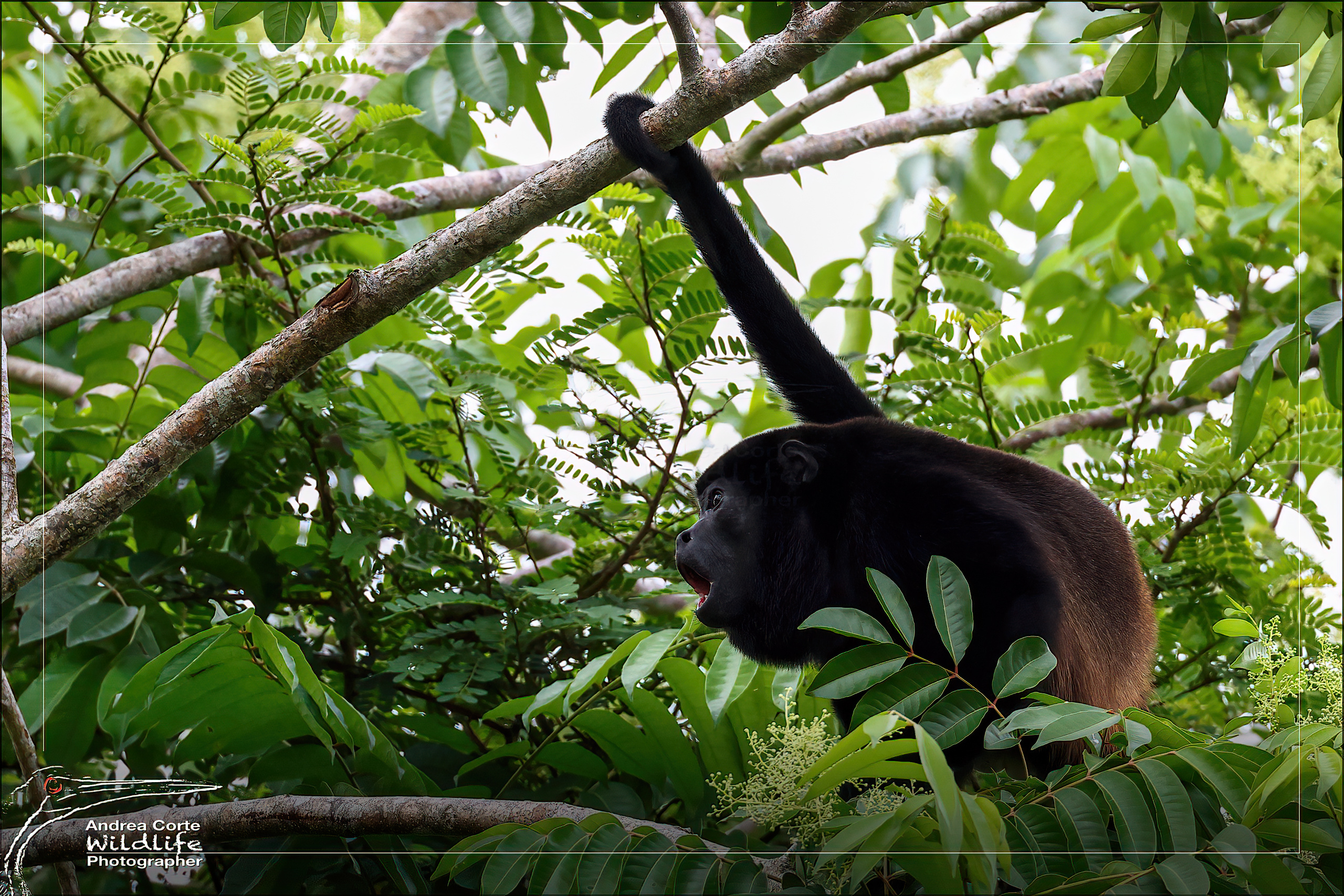
The Sounds of Caño Negro, Costa Rica: An Introduction to Nature Sound Recording
Recording nature begins with listening to the whole environment. In Caño Negro Wildlife Refuge, an individual bird call, several animals vocalising together or the sounds of water and vegetation can each become the focus of a recording. Deciding what you want to capture helps determine where to position yourself, how to use the microphone and how to organise the outing.
Listen to the wetland, plan your recording and discover the natural soundscape of Caño Negro.
Recording nature begins with listening to the whole environment. In Caño Negro Wildlife Refuge, an individual bird call, several animals vocalising together or the sounds of water and vegetation can each become the focus of a recording. Deciding what you want to capture helps determine where to position yourself, how to use the microphone and how to organise the outing.
The Sounds of Caño Negro, Costa Rica: An Introduction to Nature Sound Recording
A wetland where natural sounds have room to be heard
Caño Negro offers opportunities to listen to and record nature with little or no interference from human activity. Although the refuge is connected to nearby communities, including Caño Negro village, parts of the wetland feel acoustically removed from everyday life.
In my field experience with Hotel de Campo, boat traffic along the waterways is generally low, with some outings encountering no other boats. There are sectors where sounds from settlements, roads and other human activity can be barely audible or absent during an encounter. Bird calls, monkey vocalisations and the wider wetland soundscape can then become the focus of your attention and recording.
This combination of wildlife, habitat and relatively little boat traffic makes Caño Negro particularly appealing to people interested in nature sound recording. The possibilities range from concentrating on an individual animal to capturing the atmosphere of a lagoon, riverbank or wooded waterway.
Hotel de Campo can organise private outings specifically around nature sound recording. Planning begins with your interests and equipment, so we can consider suitable sectors, timing and the coordination needed aboard the boat. Acoustic conditions vary, making attentive listening and flexibility part of the experience.
Decide what you want to record
A recording of one animal and a recording of the wider soundscape have different purposes.
For an individual subject, you may want its calls to stand out clearly from surrounding sounds. For a soundscape, the relationship between different sounds may be the subject itself.
Describe your recording objective before the visit. Explain whether your interest is a particular species, a type of habitat, natural audio for a video or a broader listening experience. This gives the planning a practical starting point.
Listen before choosing the position
Pause and notice everything you can hear. Alongside the intended subject, there may be wind, moving water, voices, boats or sounds from your own equipment.
Our attention can concentrate on one bird while overlooking other noises. A microphone may make those competing sounds much more apparent when you play back the recording.
Consider the direction of the subject and the sources of interference. A different position may improve the balance between them, provided the approach respects the animal and the conditions allow it.
Know your recording equipment
Practise the complete recording process at home. Learn how to connect the microphone, start recording, monitor the signal and check the resulting file.
Become familiar with the microphone’s pickup pattern. A directional microphone needs to be aimed appropriately, and different designs respond differently to sounds arriving from the sides or behind.
Check batteries, storage, cables and the protection suitable for your equipment. If you intend to monitor through headphones, practise recognising unwanted noise and handling sounds before travelling.
The article on equipment preparation for Caño Negro explains why those preparations should happen before the field outing.
Keep handling and movement quiet
Microphones can capture sounds produced by touching the recorder, moving a cable, adjusting equipment or shifting position.
Arrange the recording setup before a useful moment develops. Once recording, minimise unnecessary handling and remain aware of the sounds you introduce.
Wind protection should suit the microphone and the conditions. Test the setup beforehand so you understand how it performs and how to operate it comfortably.
Set levels and preserve the recording
Check recording levels before an important passage and leave enough headroom for louder sounds. The appropriate procedure depends on your recorder and its recording format.
Macaulay Library recommends uncompressed WAV files for preserving wildlife sound recordings. Retain the original files so that later editing does not replace your source material.
A recording that sounds quiet deserves careful listening before making adjustments. Learn how your equipment distinguishes recording level from headphone playback volume, and review the result during practice sessions.
Give the sound time to develop
When conditions are useful, allow the recording to continue. A longer passage may capture repeated calls, variation or the relationship between an animal and the surrounding soundscape.
Avoid stopping immediately after the first vocalisation. Continue listening and decide whether the developing material contributes to your objective.
The animal may become silent or move away. Follow what the encounter offers while giving wildlife space to continue its natural activities.
Coordinate a boat-based recording in advance
Sound recording requires its own approach to planning the outing. Engine noise, water against the boat, conversation and movements aboard can influence the material you capture.
Discuss your requirements before departure. Location, timing, positioning and the way the group works together need to follow the recording objective.
A position that offers a good photograph may have competing sounds that make it less useful for audio. Advance coordination allows the guide and captain to assess what can realistically be arranged.
If sound will accompany moving images, the article on preparing a wildlife video sequence develops those related requirements.
Keep notes about what you heard
Record the date, location, habitat and relevant conditions. Note the intended subject and any other sounds that help explain the recording.
Identify animals only as confidently as the evidence allows. If a call remains uncertain, retain that uncertainty in your notes.
These details make the material easier to organise, interpret and describe when you return home.
The local observations and boat-planning guidance reflect my field experience and the requirements discussed for Hotel de Campo’s private outings. Technical recording principles draw on Macaulay Library’s guidance.