
A shallow lagoon, seasonal marshes and flooded woodland help explain why this northern Costa Rican wetland earned Ramsar recognition.
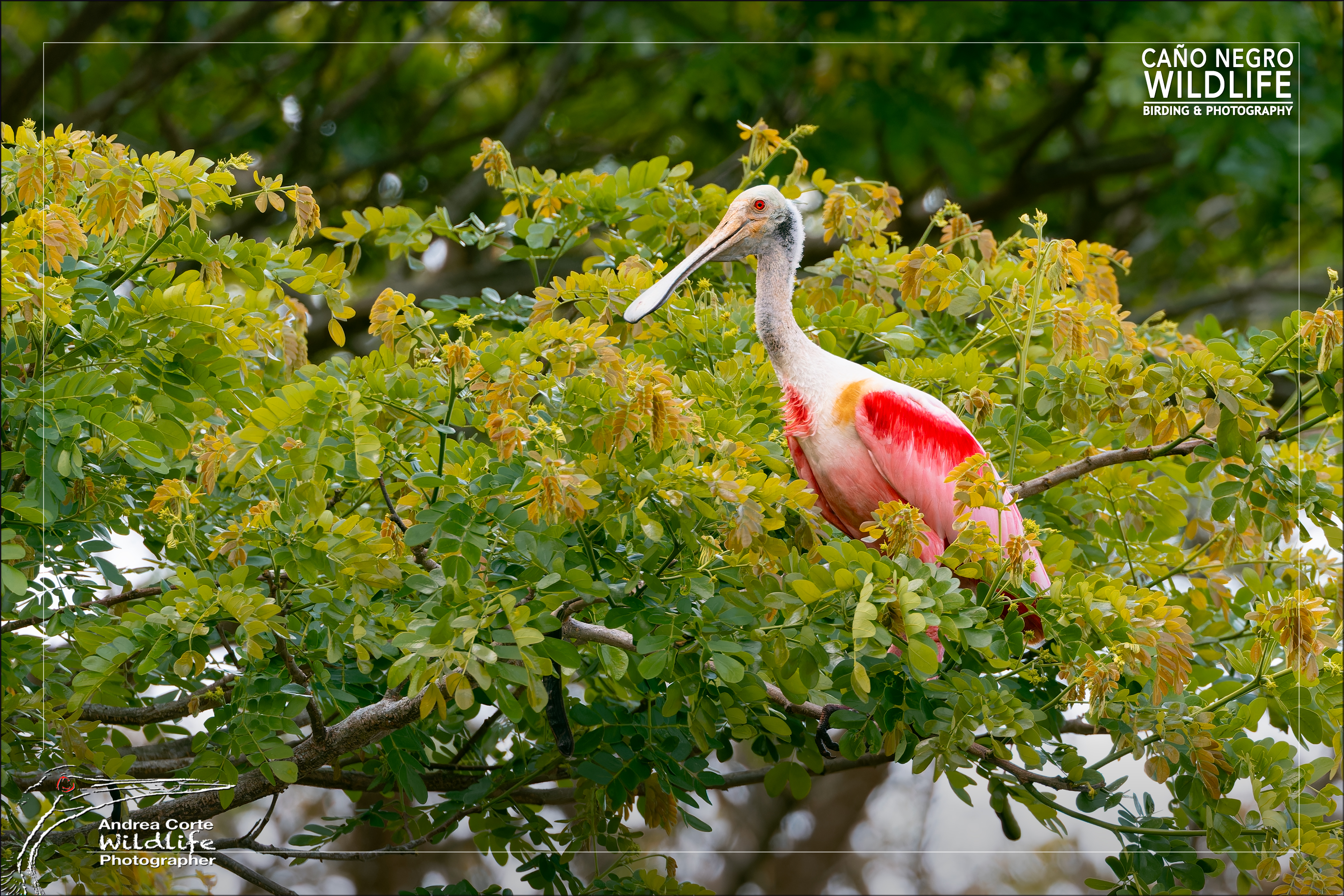
Caño Negro is a Wetland of International Importance because its connected freshwater habitats support aquatic life and provide habitat for breeding and migratory waterbirds. The lagoon, marshes and seasonally flooded woodland form a system that changes as water levels rise and fall.
Why Caño Negro Is a Wetland of International Importance
What the Ramsar designation covers
Caño Negro was designated under the Convention on Wetlands on 27 December 1991. The Convention’s annotated list for Costa Rica records a designated area of 9,969 hectares, including habitats around the lagoon.
The Ramsar listing recognises the wetland’s international importance. Costa Rica also protects Caño Negro nationally as a wildlife refuge.
Why the surrounding habitats matter
Waterbirds use the wetland for feeding, resting and breeding. Migratory birds also use it during part of the year. The waterways and flooded areas support fish and reptiles as well, so the wetland serves wildlife both above and below the surface.
Seasonal flooding changes how habitats connect
When the water rises, it can spread into marshes and woodland and connect areas that were separate. As it falls, some of those connections become shallower or disappear. These shifts affect where wildlife can feed and move, and which parts of the wetland a boat can reach.
The same stretch of shoreline may look different on a later visit. Read how water levels shape a visit to Caño Negro.
What to notice during a visit
Alongside the animals you spot, watch where the open water meets vegetation and where channels lead into flooded areas. These transitions show how different habitats fit together. When wildlife comes into view, give it room to continue its activity and follow your guide’s directions.
For more on the wetland and its conservation history, read Hotel de Campo’s guide to Caño Negro Wildlife Refuge.